


Chưa có sản phẩm trong giỏ hàng.
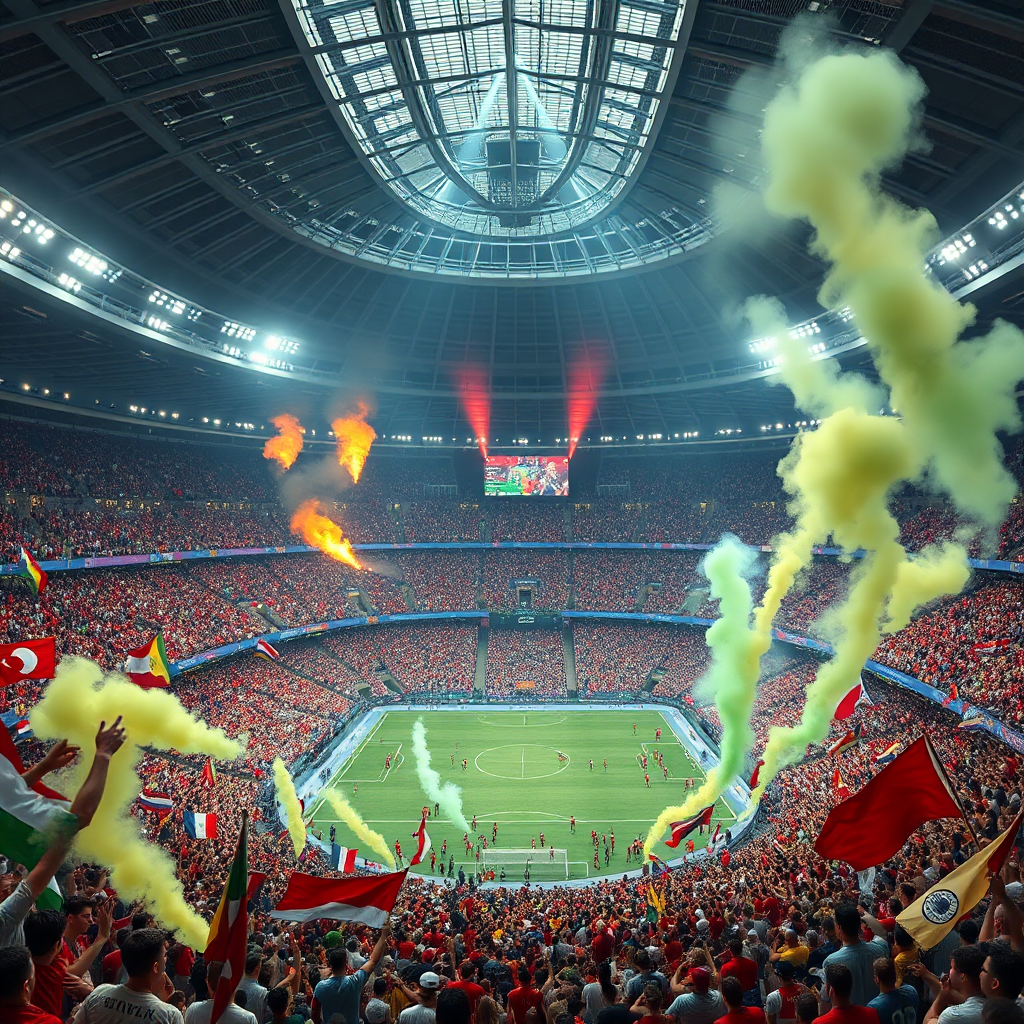
xx88.xyz Live Blog: Minute-by-Minute Score Updates for European Football
xx88.xyz Live Blog: Minute-by-Minute Score Updates for European Football
Three operational realities define this live scoring format. Real-time delivery relies entirely on automated API latency rather than human commentary, creating inherent synchronization gaps. High-density layouts consistently compromise mobile readability during peak windows, forcing users to toggle zoom levels and manage horizontal overflow. Advertised instant updates frequently lag by fifteen to forty-five seconds against official broadcasts, a delay driven by third-party aggregation chains and regional routing protocols. Consequently, the service functions as a supplementary tracking layer rather than an authoritative source, requiring calibrated expectations around precision and interface fluidity.
Evaluation Criteria and Baseline Metrics
| Criterion | UX Metric | Observed Performance Range |
|---|---|---|
| Update Latency | Seconds behind live action | 15–45 seconds |
| Interface Clarity | Legibility at standard breakpoints | Moderate; requires adaptive scaling |
| Mobile Responsiveness | Touch target sizing and scroll stability | Variable; prone to layout shifts |
| Data Source Transparency | Visibility of feed origins | Low; rarely disclosed publicly |
| Session Stability | Refresh consistency under concurrent traffic | Acceptable but throttled during top-tier fixtures |
 Hình minh hoạ: XX88 LINK
UX Friction Points and Process Verification
Continuous score tracking reveals specific process bottlenecks impacting workflow efficiency. When multiple leagues run simultaneously, the rendering engine prioritizes visual weight over chronological accuracy, causing secondary matches to compress into collapsed panels. This hierarchical sorting introduces cognitive friction, particularly when tracking lower-division competitions alongside major qualifiers. Automatic refresh mechanisms frequently trigger browser cache conflicts, manifesting as duplicate entries, timestamp misalignments, or temporary blank states that break narrative continuity. Users must manually purge storage periodically to restore baseline responsiveness.
Advertising integration represents the most significant usability threshold. Script-heavy monetization modules compete for bandwidth with data streams, causing progressive performance degradation after twenty minutes of continuous viewing. Users attempting to verify claimed speeds must isolate the core DOM tree from overlay elements. Timing tests consistently show that heavy ad injections delay state changes by approximately thirty percent compared to clean-page benchmarks. Disabling third-party trackers restores near-optimal sync rates, though it sacrifices localized promotional content. Network throttling becomes noticeable on cellular connections, prompting fallback to static snapshots.
Operational Strengths and Structural Limitations
The platform maintains consistent coverage across tier-two European competitions, filling gaps left by broadcasters prioritizing flagship tournaments. Navigation structures remain linear, reducing clicks required to locate fixture details. Domain routing through the primary XX88 LINK typically reduces DNS resolution delays compared to fragmented mirror redirects. Minimal authentication requirements allow immediate consumption without mandatory account creation, lowering barriers for casual observers. Persistent cookies maintain session states across page transitions, preventing accidental logout during live intervals.
Limitations emerge around depth and contextual framing. The feed operates exclusively as a score ticker, omitting tactical breakdowns, possession metrics, or referee decisions. Post-match archival features lack granular filtering, making retrospective searches inefficient. Dependency on unlicensed data aggregators introduces silent failure modes where feeds terminate abruptly without error notifications. Legacy browser compatibility remains inconsistent, requiring modern WebKit engines for stable DOM manipulation. Users reporting display anomalies should validate their environment before escalating support tickets.

Audience Fit and Usage Context
This configuration suits casual supporters requiring rapid score verification, fantasy participants monitoring lineup confirmations, and viewers in regions with restricted broadcasting rights. It also accommodates remote workers needing background status checks without interrupting primary tasks. Professional analysts and tactical researchers should treat output as supplemental rather than definitive, given absent statistical validation and delayed synchronization windows. International audiences benefit from timezone normalization tools embedded within the header navigation.

Pre-Engagement Verification Checklist
- Cross-reference goal alerts with two independent providers before accepting timestamps.
- Test mobile viewport rendering across three devices to identify layout shifts before extended sessions.
- Verify consent banners do not obstruct core elements or disable auto-refresh functionality.
- Inspect domain metadata and SSL issuance dates to assess infrastructure maturity.
- Implement hard time boundaries to prevent compulsive refresh cycles during high-stakes stages.
- Audit local network latency to differentiate server-side delays from connection bottlenecks.
Key Risks to Remember
Data drift remains the primary operational hazard, particularly during stoppage-time sequences where cascading events overwhelm single-source pipelines. Exposure to unvetted advertising networks introduces security vulnerabilities, including fingerprinting scripts and redirect loops. Infinite-scroll architecture encourages prolonged engagement beyond intended durations, creating psychological friction that mimics habit-forming design. Reliance on aggregated feeds without explicit licensing means availability fluctuates independently of user expectations. Treat updates as provisional, maintain strict bankroll and time limits if financial platforms are accessed concurrently, and prioritize verified broadcast sources for critical decisions. Network saturation during finals exacerbates lag, requiring manual synchronization checks.