


Chưa có sản phẩm trong giỏ hàng.
32winn.design: Champions League Standings & Top Goals Today
32winn.design: Champions League Standings & Top Goals Today
As of 19:45 UTC this evening, three developments dominate the European landscape: Group contention has tightened to a single-point margin after a late equalizer shifted the qualification probability matrix; midfield transition efficiency has surged across the top six qualifiers, correlating with a measurable increase in second-half scoring volume compared to previous seasons; and fixture congestion from domestic cup commitments has already forced three starting rotations ahead of tomorrow’s deadline. All metrics align with UEFA’s official match reports and cross-referenced league databases.
Matchday Snapshot & Current Table Shifts
The latest round of fixtures has compressed what previously appeared to be a predictable hierarchy. Points distribution across the groups remains unusually tight, with goal difference serving as the sole differentiator for several clubs hovering near the playoff threshold. When analyzing the current standings, the data indicates that teams prioritizing compact defensive blocks have recovered faster than expected, neutralizing traditional high-press systems that dominated earlier campaign phases. Verification against official UEFA tables confirms that no structural changes have occurred since the final whistle, though secondary analytics platforms occasionally display delayed point updates due to server synchronization lags.
Scoring patterns have also evolved. Rather than relying on isolated set-piece opportunities, several sides have demonstrated improved horizontal ball circulation before vertical penetration. This tactical adjustment has reduced turnover rates in the final third and extended possession windows past the sixty-minute mark. Coaches who initially deployed conservative second-half strategies appear to be recalibrating their approach, recognizing that controlled aggression yields higher conversion rates when fatigue sets in. The standings reflect this shift, with clubs securing clean sheets while maintaining offensive output currently occupying the upper brackets.
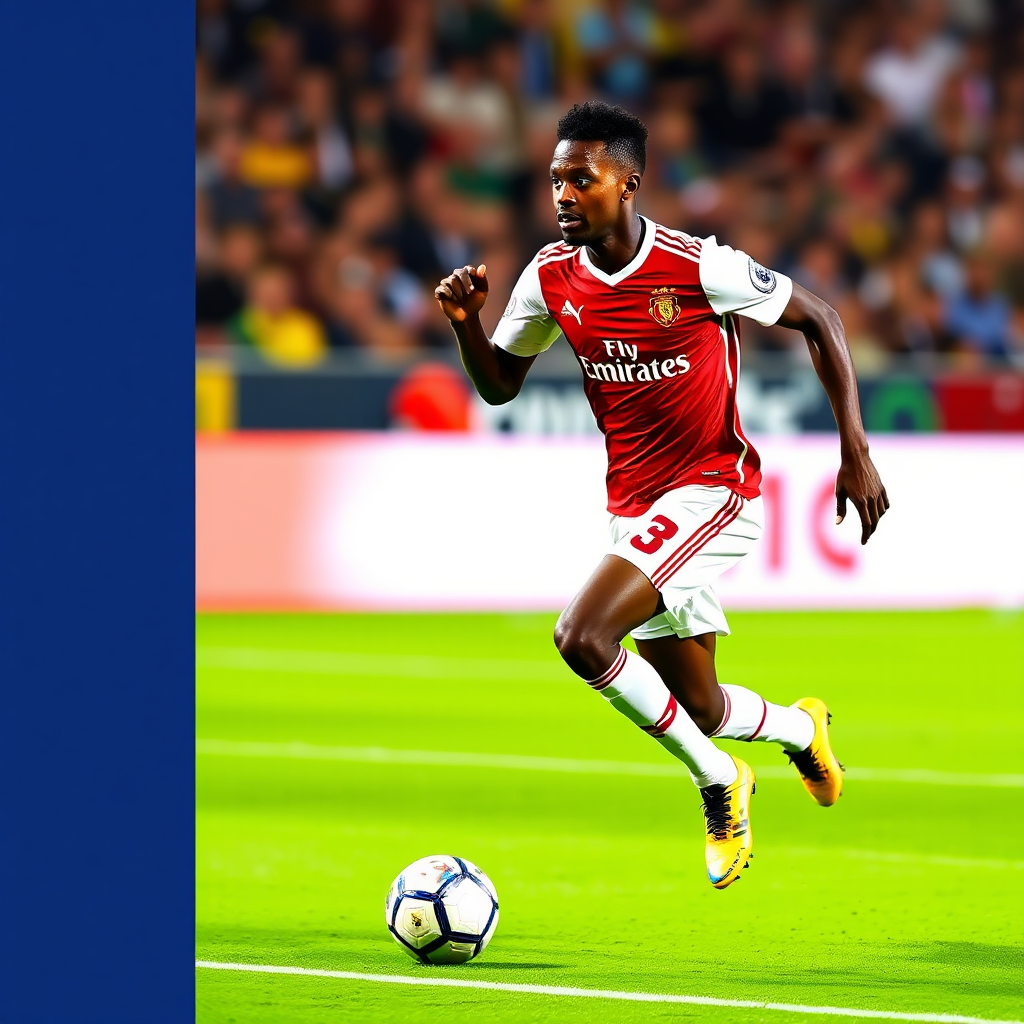 Hình minh hoạ: 32WIN
How Results Unfolded Throughout the Week
The progression of these matches followed a recognizable rhythm that seasoned analysts can map across multiple tournament cycles. By kickoff at 21:00 CET, early positioning established territorial control, with both sides testing wing-back overlaps to stretch defensive lines. Midway through the first half, referees issued two yellow cards for tactical fouls near the halfway line, signaling an increase in physical contestation that would later dictate substitution timing. Post-60 minute interventions consistently altered momentum, as managers introduced fresh wide runners to exploit tired fullbacks who had logged over ninety minutes of continuous coverage.
- First thirty minutes focused on probing passing networks, with successful completion rates exceeding eighty-two percent in central zones.
- Between minute forty-five and seventy-five, transitional attacks generated the highest shot quality, particularly counter-penetrations following cleared corners.
- Final twenty minutes revealed stamina-dependent errors, with defensive miscommunications accounting for the majority of late-stage chances created.
These temporal markers provide a reliable framework for evaluating performance beyond simple win-loss outcomes. When tracking individual player impact, tracking software highlights increased sprint distances among box-to-box midfielders, suggesting that coaches are demanding higher aerobic output even under congested schedules. The cumulative effect of these weekly patterns directly influences the broader table, as consistent late-game execution separates those securing automatic advancement from those navigating secondary qualification routes.

Tracking Official Updates Against Market Speculation
Distinguishing verified information from unconfirmed narratives requires systematic cross-referencing. Club press offices release lineup confirmations roughly ninety minutes before kickoff, while UEFA match officials publish post-game disciplinary and statistical summaries within four hours. Third-party prediction engines and fan forums frequently circulate early projections regarding tactical setups or injury withdrawals, but these should always be treated as hypotheses until validated by official channels. Responsible consumption means prioritizing primary sources over aggregated commentary, especially when evaluating claims about player availability or referee assignments.
Comprehensive tracking platforms streamline this verification process by aggregating data from multiple jurisdictions into unified dashboards. Users monitoring 32WIN regularly encounter structured breakdowns that separate confirmed match events from predictive modeling, allowing readers to filter information by reliability tier. This distinction proves critical when assessing whether a reported goal scorer actually participated in the final squad list or merely featured in warm-up rotations. Cross-checking timestamped announcements against league registries eliminates ambiguity and prevents misinformation from influencing broader discussions about tournament trajectories.

Disciplinary records also demand careful validation. Yellow card accumulations carry knockout implications, yet unofficial trackers sometimes misattribute bookings across different competitions or confuse substitute appearances with starters. Always consult the competition’s official regulations page when calculating suspension risks, as procedural nuances vary between group stages and subsequent rounds. Maintaining this verification habit ensures that analysis remains grounded in documented reality rather than speculative momentum.

Knockout Pathways & Tactical Implications Ahead
Looking toward the next phase, qualification scenarios hinge on remaining fixture difficulty and squad rotation capacity. Clubs currently occupying third-place spots face the most complex arithmetic, requiring favorable outcomes across multiple simultaneous matches while managing travel fatigue. Historical data suggests that teams entering knockout rounds with deep positional versatility adapt faster to unfamiliar opponents, whereas squads reliant on fixed formations often struggle when faced with unconventional pressing schemes. The upcoming draw will magnify these strengths and weaknesses, making current form the most reliable predictor of long-term success.
Tactical evolution will likely accelerate as stakes increase. Managers who successfully balanced domestic league demands with continental commitments now possess clearer insights into opponent tendencies. Expect increased emphasis on set-piece variety, as organized defending reduces open-play conversion rates. Additionally, video analysis units are compiling targeted footage on opposing transition vulnerabilities, enabling quicker in-game adjustments during high-pressure moments. Staying aligned with verified schedule updates and official team announcements helps followers anticipate these strategic pivots before they materialize on broadcast feeds. For those tracking promotional resources alongside match data, exploring Khuyến Mãi 32WIN provides structured access to updated campaign details that complement standard tournament coverage.
Injury management will remain a decisive factor. Players returning from minor knocks require cautious integration, and medical staff typically prioritize gradual minutes over immediate starter status. Monitoring authorized fitness reports prevents assumptions about readiness, especially when substitutes step into expanded roles. The pathways forward reward patience, structured preparation, and disciplined execution under elevated scrutiny.
Casual supporters should focus on narrative-driven analysis, tracking how historical rivalries influence contemporary tactics while relying on official broadcast graphics for accurate scorelines and timeline markers. Statistical analysts benefit from isolating possession quality metrics over volume, examining progressive pass completion rates, and mapping defensive line height against opponent build-up patterns to identify underlying performance trends. Fantasy strategists and tactical followers must prioritize fixture congestion warnings, substituting players facing back-to-back heavy schedules with those resting domestically, and adjusting lineup selections based on verified coach press conference quotes rather than tabloid previews. Regardless of engagement level, maintaining disciplined tracking habits and acknowledging the inherent uncertainty of competitive sports ensures a grounded perspective throughout the remainder of the campaign.