


Chưa có sản phẩm trong giỏ hàng.
Erling Haaland Injury Update Gives Manchester City Major Boost Ahead of Clash
Erling Haaland Injury Update Gives Manchester City Major Boost Ahead of Clash
The latest Erling Haaland injury update confirms he is medically cleared to participate in Manchester City’s upcoming fixture, removing a significant doubt from Pep Guardiola’s projected starting lineup. This availability shift immediately elevates the team’s attacking ceiling, forces opponent defensive recalibrations, and resets analytical projections for weekend matchups. An updated fitness report does not function as a guaranteed victory marker, however. The actual influence depends on tactical integration timelines, opponent pressing structures, and how quickly the forward restores peak conditioning after any prior physical interruption. Managers, analysts, and regular followers should evaluate the development through structural metrics rather than headline reassurance.
Five Structural Takeaways From the Latest Development
Medical clearance typically precedes full training integration, meaning the striker will likely log controlled session volumes rather than an immediate ninety-minute mandate. Coaching staffs prioritize tissue recovery and joint stability when reintroducing high-load athletes, which naturally extends the adjustment window. This phased approach preserves long-term availability while maintaining baseline offensive output.
Guardiola’s possession framework relies heavily on spatial manipulation and vertical penetration. Returning a primary goal threat pulls central defenders inward, compressing the middle zone and creating additional operational space for inverted wingers and roaming midfielders. The tactical ripple effect explains why the update carries weight beyond a single position chart.
Opposition set-piece organizations must reassign marking responsibilities, often shifting from zonal coverage to man-oriented protocols. These adjustments can expose structural vulnerabilities in wide corridors and near-post running lanes, particularly when center-backs rotate rapidly to track staggered movements.
Fantasy platforms and statistical modeling systems will adjust projection curves within forty-eight hours. Users who previously avoided city-based assets due to injury ambiguity can now factor in realistic volume expectations, though minute restrictions should still temper short-term capital allocation.
Match volatility remains tightly coupled to mid-season scheduling density. Recovery quality matters more than clearance status alone when fixtures cluster within seven-day cycles. Travel fatigue, pitch conditions, and cumulative workload dictate whether the return translates into sustained dominance or controlled involvement.
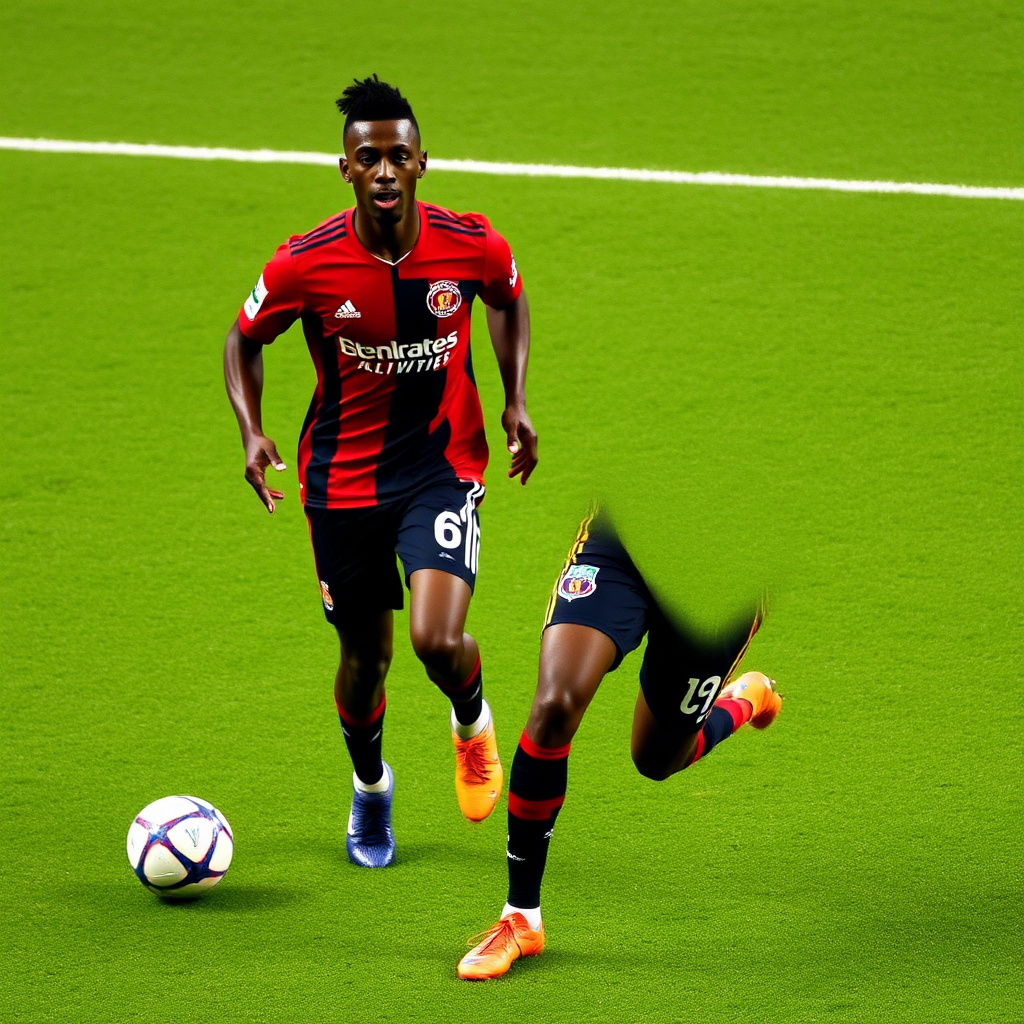
 Hình minh hoạ: may88
Tactical Integration and Systemic Adjustments
When a high-impact forward returns to full training, the coaching department faces a distribution challenge that extends well beyond individual finishing ability. Haaland’s movement patterns demand specific supply lines, particularly diagonal passes into the half-spaces and driven balls from wide areas. Guardiola has historically managed such transitions by phasing the athlete across two competitive matches, using rotation to monitor muscular fatigue and soft-tissue resilience. This methodology reduces injury recurrence rates while preserving offensive efficiency throughout congested periods.
Opponents adapt quickly to the renewed threat. Central defenders receive stricter directives to stay tight, avoid turning under pressure, and deny backward-facing receiving angles. Fullbacks are tasked with intercepting crossing trajectories and collapsing quickly when possession turns over. Midfielders must accelerate delivery timing, reducing dwell time in central zones to prevent organized defensive blocks from forming. These adjustments generate secondary benefits: wider attackers enjoy increased isolation opportunities, and box-to-box runners find cleaner entry sequences because opposing centers split to cover the primary finisher.
Tracking how these adjustments translate into measurable pitch space requires monitoring pass completion rates inside the final third and shot conversion trends across a three-match window. Casual observers often mistake early-game rust for declining efficiency, whereas analysts recognize that first-touch rhythm and spatial awareness typically normalize by the second appearance. For readers following live match developments or comparative positioning analytics, platforms like may88 provide structured breakdowns of pressure metrics and spacing patterns that complement traditional scorelines. Cross-referencing these data points helps distinguish temporary adaptation friction from genuine systemic decline.
Comparative Performance Variables Across Match Contexts
Evaluating impact demands situational awareness. A high-intensity pressing side encounters different risks than a compact defensive block. The table below outlines how squad performance indicators shift depending on opponent architecture and environmental conditions.
| Scenario Type | Expected City Adjustment | Primary Risk Factor | Projected Outcome Range |
|---|---|---|---|
| High Pressing Opposition | Quick circulation, wide overloads | Counterattack exposure behind advanced fullbacks | Controlled dominance with moderate chance creation |
| Deep Block Formation | Patient build-up, cutbacks | Low conversion rate against packed penalty area | Gradual breakthrough relying on set-piece variety |
| Transitional Style | Vertical passing, fast switches | Defensive miscommunication during shape reset | Volatile tempo with alternating lead changes |
| Heavy Pitch Conditions | Simplified movements, targeted crosses | Slower ball rollout affecting shooting accuracy | Grounded possession with reduced shot volume |
Each scenario requires distinct observational priorities. Against high-pressing teams, watch how wide players exploit stretched defensive lines and whether midfielders execute rapid one-touch combinations to bypass pressure traps. Against deep blocks, focus on repetition quality, third-man runs, and set-piece execution rather than expecting immediate open-play breakthroughs. Transitional opponents demand scrutiny of defensive shape recovery, particularly when possession turnover occurs near the halfway line. Environmental factors rarely dominate narratives, yet wet surfaces and heavy turf consistently reduce shooting precision and increase reliance on aerial or drive-based sequences.

Audience Alignment: Who Gains Value and Who Should Step Back
The utility derived from this update splits sharply between audience segments. Tactical students and coaching analysts gain clarity on systemic adjustments, observing how one returning player reshapes pressing triggers, spatial allocation, and defensive marking rotations. Fantasy managers benefit directly from minute-projection tweaks, especially those who previously avoided city-based assets due to injury ambiguity. Regular supporters experience improved narrative cohesion, as storylines about form stagnation or tactical imbalance lose traction when the primary finisher resumes competitive preparation.
Certain groups should exercise restraint. Short-term participants chasing immediate market adjustments often misprice early-game availability as guaranteed output. The distinction between medical clearance and match-ready sharpness remains substantial, particularly after extended absence periods. Data subscribers who rely exclusively on headline fitness reports without cross-referencing training ground footage or underlying chance-creation trends may overvalue the initial bump. Additionally, followers expecting instantaneous title-race momentum should recognize that squad rotation, rest cycles, and travel logistics operate independently of individual availability. Impulsive reactions to clearance announcements frequently produce skewed expectations, whereas measured observation yields more accurate assessments of tactical integration.

Targeted Recommendations By Reader Category
Structured guidance ensures the information serves practical purposes without encouraging reactive decisions. Each segment receives tailored steps aligned with typical engagement patterns.
- Fantasy League Participants: Verify official pre-match press conference statements before locking lineups, as last-minute rotation decisions frequently alter starting distributions. Assign captaincy credits toward midfielders who consistently deliver against compact defenses, reserving striker options for favorable fixture sequences. Establish transfer cutoffs forty-eight hours before kickoff to avoid price volatility triggered by late scratch notifications.
- Tactical Observers and Analysts: Track passing network density during the opening fifteen minutes to assess radius expansion and directional preference. Document defensive line elevation when the striker occupies central zones, since raised backlines increase susceptibility to quick transitions. Compile post-match spacing comparisons against previous appearances to quantify adaptation speed and positional comfort.
- Casual Supporters and Broadcast Viewers: Prioritize positional discipline over individual highlight reels during the initial sixty minutes. Observe how wide attackers isolate defenders who shift focus to track the primary finisher. Allow two full competitive appearances to establish baseline performance metrics before forming definitive conclusions about return effectiveness.
Frequently Asked Questions
How quickly does a striker typically regain full match sharpness?
Recovery timelines depend on prior workload, injury severity, and scheduled training intensity. Most elite forwards require two competitive appearances to normalize touch rhythm and spatial decision-making, with consistent output emerging by the third match back.
Does medical clearance guarantee full ninety-minute participation?
Clearance indicates safe competition eligibility, but coaches frequently limit early minutes to preserve tissue integrity. Rotation schedules vary by fixture congestion, historical injury patterns, and ongoing physiological monitoring.
Where can reliable match statistics be verified?
Official club communications, licensed sports data providers, and accredited broadcast networks publish verified lineup confirmations and performance metrics. Cross-referencing multiple authoritative sources prevents reliance on unconfirmed reports or speculative projections.